Insights
QR Code Powered By GS1: The New Standard For Transparent Product Data

We have known QR codes for years: a square pattern that you scan with your smartphone to access a website, campaign page, or manual. The next generation of QR codes goes much further. The QR Code powered by GS1 takes the traditional QR code to the next level. Instead of simply linking to a webpage, it provides access to up-to-date product information, traceability data, and emerging applications such as the Digital Product Passport (DPP).
For organizations, this represents an important step toward a world where products are not only physically present, but also have a digital identity. The challenge? Making sure the information behind that QR code is accurate, up to date, and managed from a single reliable source. Therefore, solid Product Information Management (PIM) is an important component of a governed product-data architecture.
Quick access:
- What Is QR Code Powered By GS1?
- What Is GS1 Digital Link?
- How Does A GS1 QR Code Work?
- GS1 QR Code And The Digital Product Passport
- Reliable Product Data Is The Key
What Is A QR Code Powered By GS1?
A QR Code powered by GS1 is a 2D code based on the GS1 Digital Link standard. Whereas traditional barcodes are primarily used to identify products at the checkout, a GS1 QR code makes it possible to connect a product to digital information.
The foundation of this QR code is a unique product identifier, such as a GTIN (Global Trade Item Number). A GTIN uniquely identifies a trade item. A serial number can be added when individual units must be distinguished. By connecting this identifier to online information, a single gateway to different types of product data is created.
This can provide direct access to product information and specifications, ingredients, material composition, certifications, user instructions, maintenance information, origin, and sustainability information.
As with any URL-based QR Code, the linked product content is not stored directly in the symbol. The difference is that a GS1 Digital Link URI contains standardized GS1 identifiers, allowing both web access and machine-readable product identification.
What Is GS1 Digital Link?
GS1 Digital Link is the standard used by GS1 to connect identification codes such as GTINs to online information. It creates a link between a physical product and digital applications.
Previously, each application often required its own code:
- a barcode for checkout;
- a QR code for consumer information;
- a separate database for logistics information.
With GS1 Digital Link, these applications can be combined into a single code. The same QR code can be used by different parties, while each user can access the information relevant to them.
For example, a manufacturer can connect a product page to a QR code. When a consumer scans the code on the packaging, they can see usage information, while a retailer can access additional logistics data.
Advantage: Dynamic Product Information Without New Packaging
One major advantage of GS1 Digital Link is that the QR code itself does not need to change when information is updated.
For example, when a manufacturer adds new maintenance instructions or renews a certification, the information behind the QR code can be updated without having to produce new packaging.
This makes the QR Code adaptable over time and suitable for products that require increasing amounts of information throughout their lifecycle.
How Does A GS1 QR Code Work?
The operation of a QR code powered by GS1 consists of several steps. Unlike a traditional QR code, which often contains only a URL, a GS1 QR code uses GS1 Digital Link so that different systems can interpret product information in the same way.
1. A unique identity
Every GS1 QR code starts with a unique product identifier. Usually, this is a GTIN (Global Trade Item Number), the globally recognized identification number also used in the familiar EAN barcode.
Depending on the application, additional data can also be included, such as a batch number, serial number, or expiration date. GS1 uses so-called Application Identifiers (AIs) for this purpose. These are standardized codes that indicate what type of information is being provided. Because these identifiers are standardized worldwide, different systems can interpret the same QR code in the same way.
2. A standardized link
The GTIN and any additional data are then processed into a GS1 Digital Link URI. This is a standardized URL structure that contains the product identifier.
Here is an example:
https://example.com/01/09506000134352/10/ABC123/21/987654The system interprets this as:
- 01 = Application Identifier for GTIN
- 09506000134352 = GTIN
- 10 = Application Identifier for batch/lot number
- ABC123 = batch/lot number
- 21 = Application Identifier for serial number
- 987654 = serial number
Because the structure is defined by GS1 standards, scanners, checkout systems, logistics software, and mobile applications can automatically recognize and process this information, provided that these devices and downstream systems support GS1 Digital Link and the relevant Application Identifiers. The QR Code directly contains standardized identifiers and optional attributes that compatible systems can process without an online lookup. The URI can also provide access to related online product information.
3. Access to relevant information through redirection or a resolver
When the QR code is scanned, a scanner or smartphone first reads the GS1 Digital Link. A resolver or underlying application then determines which information should be made available.
This allows the same QR code to serve different users. For example:
- a checkout system can use only the GTIN to identify the product;
- a warehouse system can also process batch or serial numbers for logistics and traceability;
- a consumer can be directed to a product page containing manuals, ingredients, or sustainability information;
- a service technician can access technical documentation or maintenance instructions.
Because linked resources and redirects can be managed independently, data can be updated without changing the QR code or the product packaging. Therefore, the QR code powered by GS1 is designed to provide a persistent identifier, and is suitable as a standards-based access point for the Digital Product Passport.
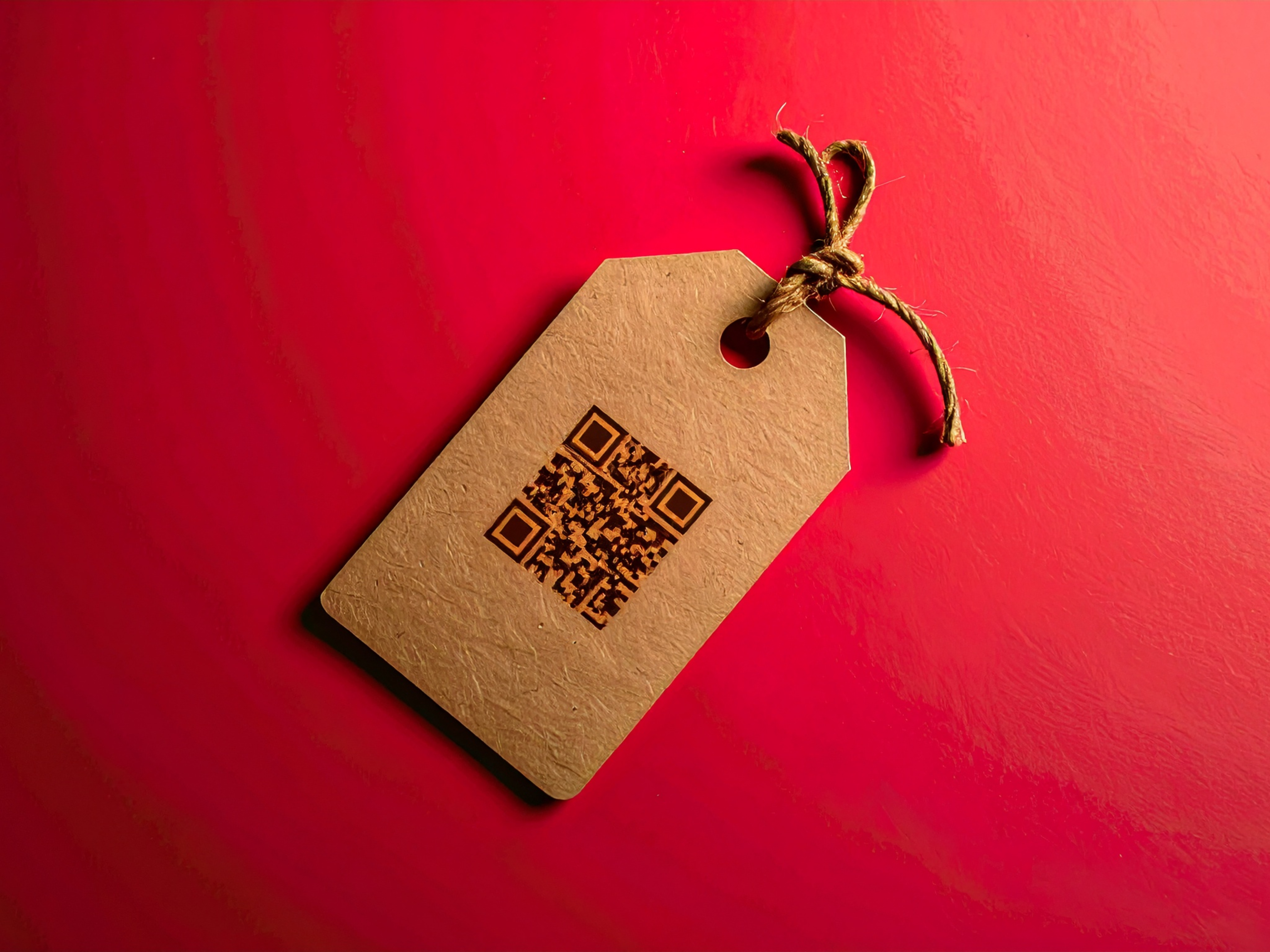
GS1 QR Code & The Digital Product Passport.
The Digital Product Passport (DPP) will become an important part of European regulations around transparency, circularity, and sustainable product management. The product passport contains digital information about a product throughout its entire lifecycle, such as its composition, origin, CO₂ impact, repair options, maintenance instructions, and recycling information, depending on the applicable product-specific requirements. The goal is to provide consumers, businesses, and regulators with greater insight into the origin, sustainability, and lifespan of products.
Through GS1 Digital Link, a unique product identifier such as a GTIN can be connected to the corresponding product passport. This connection is a key part of Digital Product Passport compliance . With a single scan, users can access the most up-to-date product information without that information having to be stored directly in the QR code. This means the same QR code can remain functional throughout the entire lifecycle of a product, while the underlying information can easily be updated when certifications change, new sustainability data becomes available, or repair instructions are added.
The challenge for organizations therefore lies not in placing a QR code on a product, but in collecting, structuring, and managing all the data that needs to be made available through that QR code. Only when product information is complete, accurate, and reliable can a Digital Product Passport truly deliver value.
Reliable Product Data Is The Key.
The introduction of QR code powered by GS1 shows that product information is becoming increasingly important. Products are no longer sold based solely on their physical characteristics, but also on the digital information available about them.
Organizations that invest today in data quality, centralized information management, and a strong PIM landscape are laying the foundation for future developments such as Digital Product Passports.
Ultimately, a QR code is only the access point. The real value lies in the reliable product information made available behind it. A modern PIM system serves as the central source of consistent, up-to-date, and machine-readable product information.
Is Your Product Data Ready For QR Codes Powered By GS1?
A QR code is only as valuable as the product data behind it. Squadra helps you assess your current product-data landscape, identify gaps in data quality, governance and PIM, and define a practical roadmap toward GS1 Digital Link and Digital Product Passport readiness.
Yes, I want to discuss my product data
