Insights
Exploring Strategies for Seamless Integration: iPaaS, ESB and API

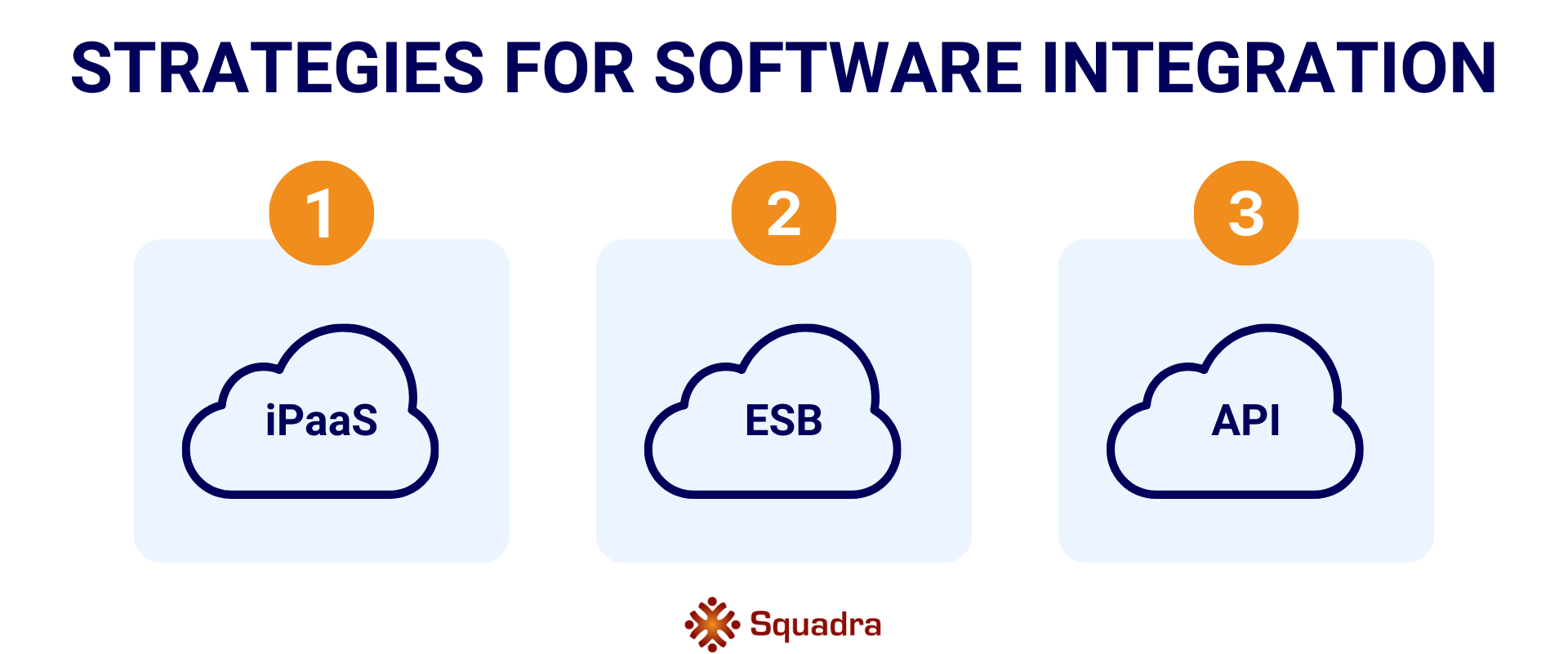
In the ever-evolving landscape of modern business operations, the seamless integration of diverse applications, systems, and data sources has become paramount. Organizations worldwide are exploring innovative strategies to enhance their integration capabilities, and three prominent approaches have emerged: Integration Platform as a Service (iPaaS), Enterprise Service Bus (ESB), and Application Programming Interface (API). Each strategy comes with its own set of advantages and challenges, catering to specific integration needs.
In this blog, we embark on a comprehensive exploration of iPaaS, ESB, and API, delving into their key features, benefits, drawbacks, and scenarios where they shine. By understanding the nuances of these integration strategies, businesses can make informed decisions to optimize their operations, foster agility, and stay ahead in today’s dynamic technological landscape.
Integration Platform as a Service (iPaaS)
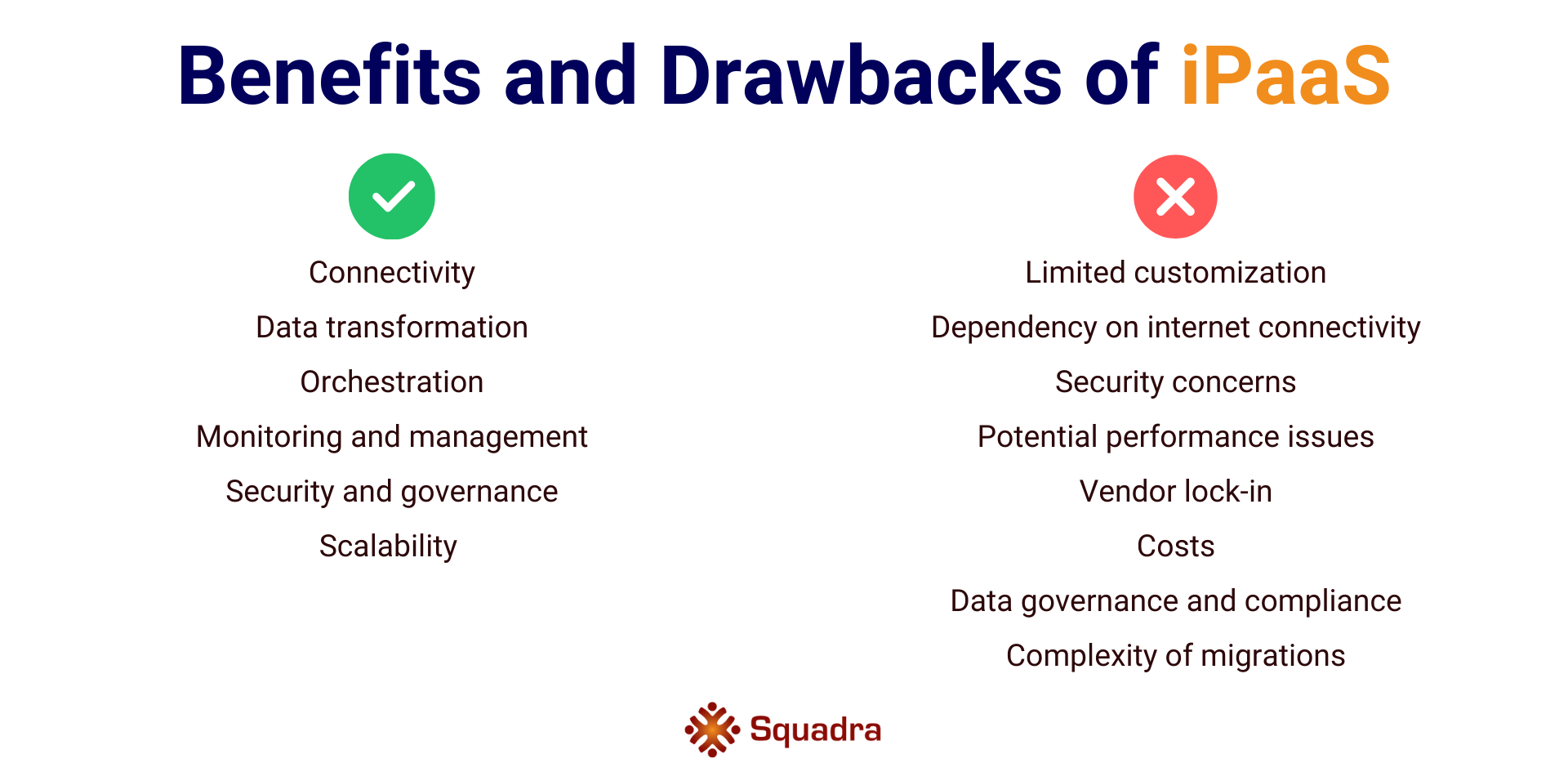
It is a cloud-based suite of tools, services, and connectors that enables organizations to integrate, deploy, manage, and govern different types of applications, systems, and data within a cloud environment. iPaaS is designed to simplify the complexities of integration by providing a platform that facilitates the flow of data between various cloud and on-premises systems.
Key Benefits of iPaaS
iPaaS is particularly valuable in modern IT environments where organizations use a mix of on-premises and cloud-based applications and services. It helps overcome the challenges associated with integrating diverse systems and enables businesses to achieve greater agility and efficiency in their operations.
While Integration Platform as a Service (iPaaS) offers numerous benefits, it also comes with its set of challenges and potential disadvantages.
Drawbacks Associated with iPaaS
Despite these challenges, iPaaS remains a valuable solution for many organizations, particularly those with a focus on cloud-based services and a need for agile and scalable integration capabilities. Organizations should carefully assess their specific requirements, evaluate iPaaS providers, and consider potential drawbacks before making a decision.
Enterprise Service Bus (ESB)
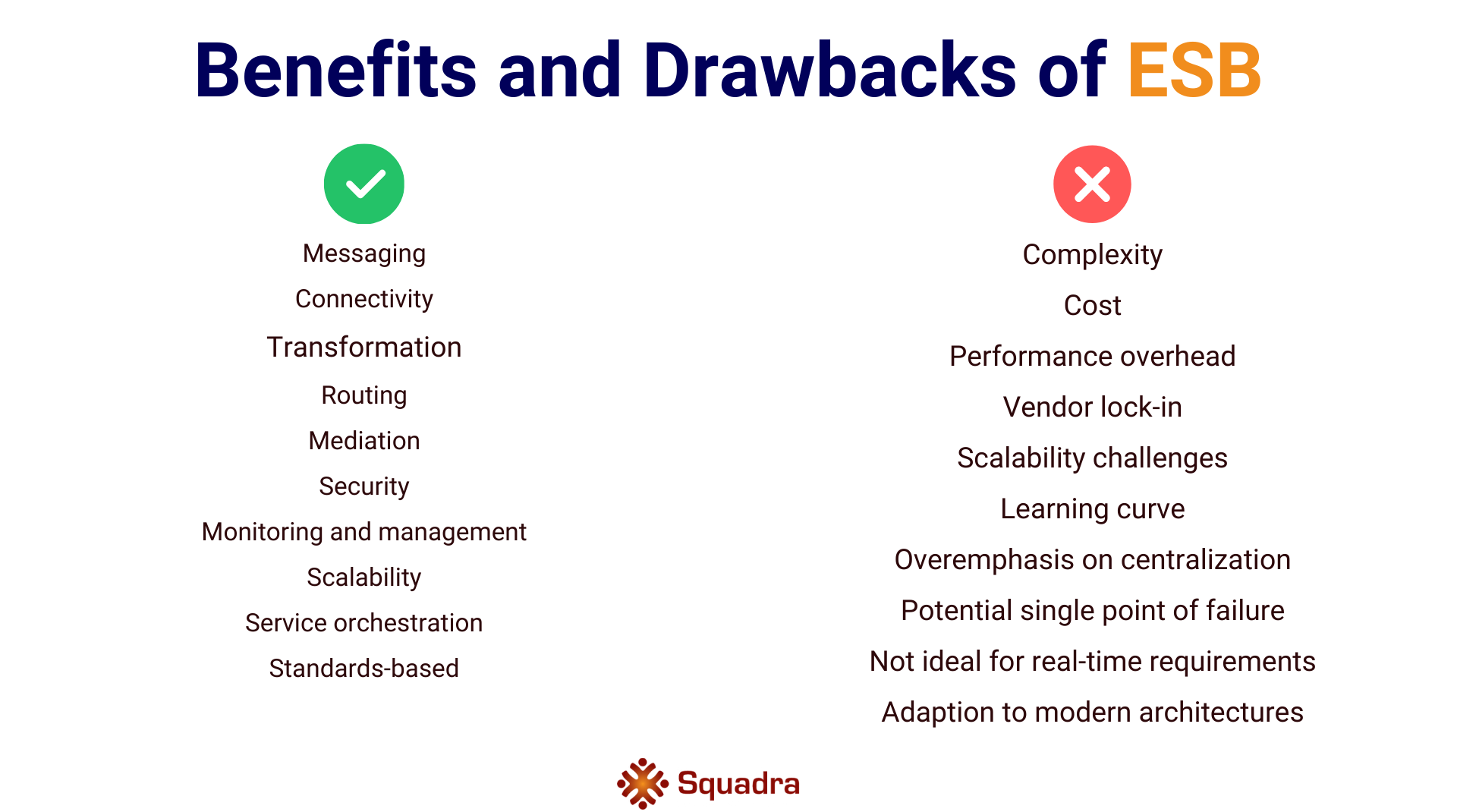
An ESB is a software architecture that facilitates communication and integration between various software applications in a large enterprise. The primary purpose of an ESB is to enable the seamless exchange of data and services among disparate systems, promoting a more agile, scalable, and efficient IT infrastructure.
Key Benefits of ESB
ESBs have been widely used in enterprise architecture to address the challenges of integrating diverse systems and applications. However, it is worth noting that with the rise of newer architectural patterns, such as microservices and APIs, some organizations are exploring alternative approaches to integration that may complement or replace traditional ESB-based solutions.
While Enterprise Service Buses (ESBs) offer various benefits for integration in enterprise environments, they also come with some potential disadvantages.
Drawbacks Associated with ESBs
It is important for organizations to carefully evaluate their specific integration needs, consider the trade-offs, and explore alternative integration approaches, such as microservices-based architectures and API-centric solutions, before committing to an ESB implementation.
Application Programming Interface (API)
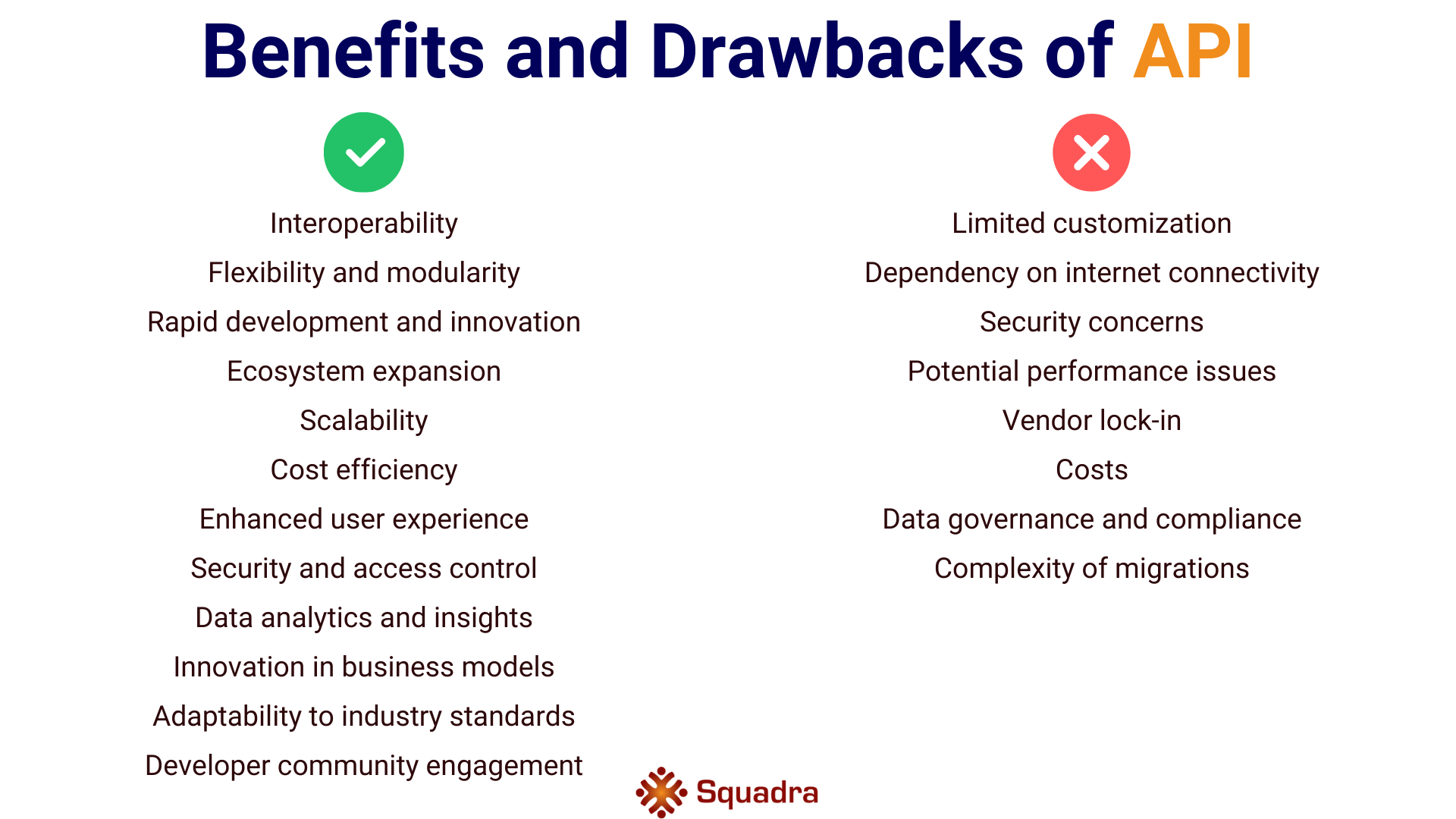
An API is a set of rules and protocols that allows different software applications to communicate with each other. It defines the methods and data formats that applications can use to request and exchange information. APIs enable the integration of different software systems, allowing them to work together and share data seamlessly.
Key Benefits of APIs
-
Integration Across Systems: APIs facilitate seamless communication and data exchange between different software systems, enabling them to work together cohesively.
-
Cross-Platform Compatibility: APIs allow applications to run on various platforms and devices, promoting cross-platform compatibility.
-
Microservices Architecture: APIs are fundamental in a microservices architecture, enabling the development of modular and independently deployable services.
-
Component Reusability: Developers can reuse API components in different parts of an application or across multiple projects, saving time and effort.
-
Time Efficiency: APIs speed up development by providing pre-built functionalities, reducing the need for developers to reinvent the wheel.
-
Innovation: APIs empower developers to leverage external services, libraries, and tools, fostering innovation and the creation of feature-rich applications.
-
Partner Integrations: APIs enable businesses to integrate with external partners, allowing for the creation of collaborative ecosystems.
-
Third-Party Development: Opening APIs to third-party developers encourages the creation of complementary applications, expanding the overall ecosystem.
-
Resource Scaling: APIs support scalable architectures, allowing applications to scale resources up or down based on demand.
-
Load Distribution: APIs enable load distribution across servers and services, ensuring optimal performance during peak usage.
-
Development Cost Reduction: APIs reduce development costs by providing pre-built functionalities and eliminating the need to build everything from scratch.
-
Maintenance Cost Reduction: Changes or updates to a service can be made through the API without affecting the entire application, reducing maintenance costs.
-
Seamless Integrations: APIs allow for seamless integrations with external services, providing users with a more integrated and user-friendly experience.
-
Access to External Services: Users can access additional features and services through APIs, enhancing the overall value of an application.
-
Controlled Access: APIs implement access controls, allowing organizations to define and control who can access their services.
-
Authentication and Authorization: Security measures, such as authentication and authorization, ensure that only authorized users or applications can access API functionalities.
-
Data Accessibility: APIs provide access to data, enabling organizations to gather insights and perform analytics on various aspects of their operations.
-
Real-time Data Integration: APIs support real-time data integration, allowing businesses to make informed decisions based on up-to-date information.
-
Monetization Opportunities: Organizations can monetize their APIs by offering them as services to external developers or businesses.
-
New Revenue Streams: APIs create opportunities for new revenue streams through partnerships, collaborations, and innovative use cases.
- Standardization: APIs often adhere to industry standards, ensuring compatibility with a wide range of technologies and making them a reliable choice for integration.
- Community Support: Public APIs foster engagement with a developer community, encouraging collaboration, feedback, and the continuous improvement of services.
APIs play a pivotal role in modern software development and digital transformation, offering a versatile and powerful toolset for businesses to enhance their operations, deliver innovative solutions, and stay competitive in today’s dynamic technological landscape.
While APIs offer numerous advantages in terms of interoperability and flexibility, they also come with certain disadvantages and challenges.
Drawbacks Associated with APIs
Despite these challenges, effective API management practices, secure coding, and adherence to best practices can help mitigate many of the disadvantages associated with APIs. Organizations need to carefully evaluate the trade-offs and make informed decisions when integrating with APIs to ensure the reliability and security of their systems.
Selecting Among iPaaS, ESB and API Strategies
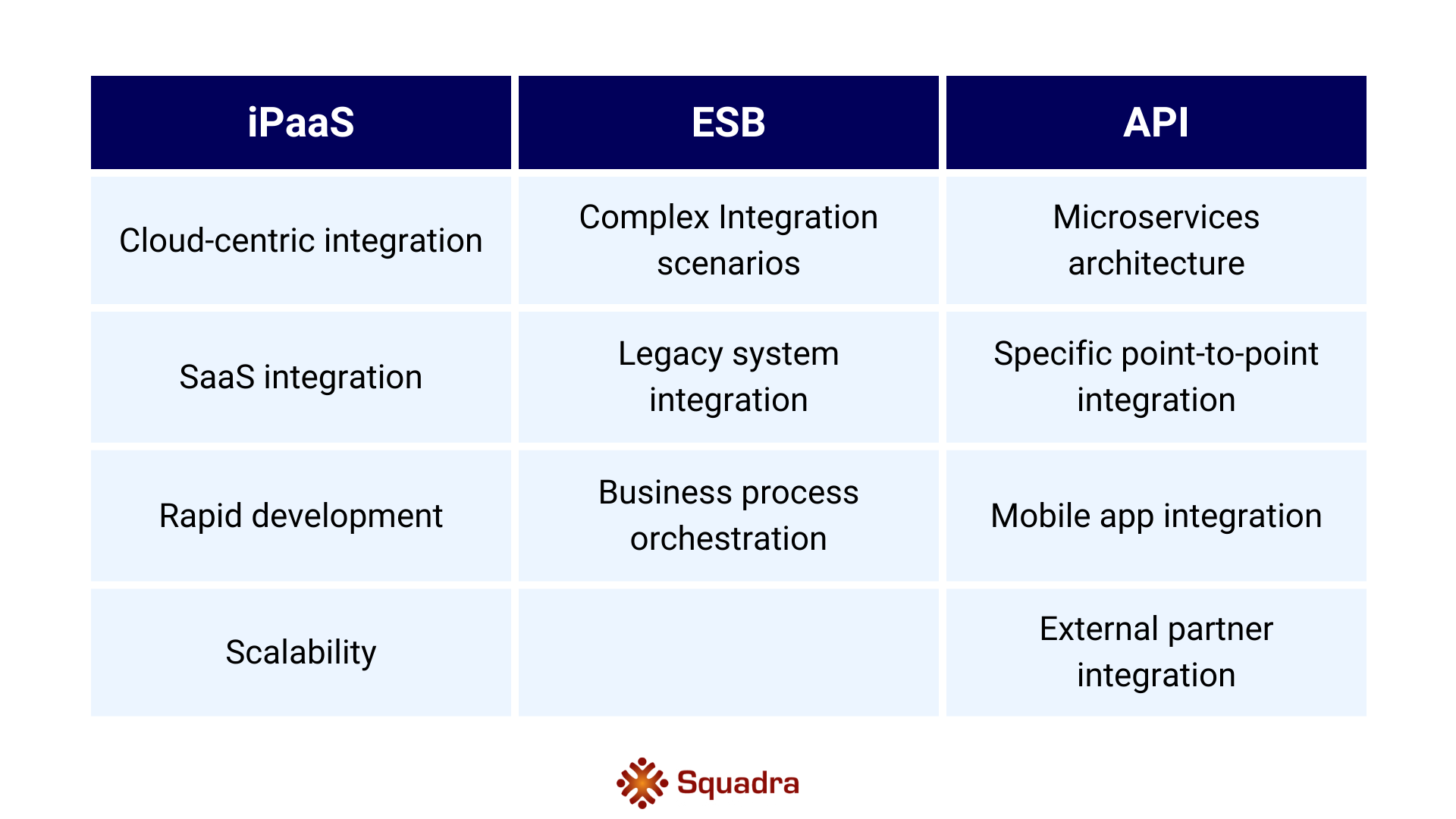
The choice between iPaaS, ESB and API depends on various factors, including the specific integration requirements, the complexity of the systems involved, and the overall architecture goals. Here are examples of scenarios where each approach might be suitable.
When to Choose iPaaS
- Cloud-Centric Integration: iPaaS is well-suited for organizations with a cloud-centric approach, where the majority of applications and services are hosted in the cloud.
- SaaS Integration: When integrating with Software as a Service (SaaS) applications, iPaaS provides pre-built connectors and adaptors that simplify the integration process.
- Rapid Deployment: iPaaS is beneficial for projects with a need for quick deployment and a focus on agility. Its pre-built components and visual development interfaces can accelerate integration timelines.
- Scalability: For scenarios where scalability is a priority, iPaaS, being cloud-based, allows organizations to scale resources as needed.
When to Choose ESB
- Complex Integration Scenarios: ESBs are suitable for complex integration scenarios involving multiple applications, services, and protocols. They provide a centralized hub for managing communication.
- Legacy System Integration: When integrating with legacy systems or on-premises applications, ESBs can act as a mediator, facilitating communication between old and new technologies.
- Business Process Orchestration: ESBs are well-suited for scenarios requiring sophisticated business process orchestration, where multiple services need to work together to achieve a specific outcome.
When to Choose API
- Microservices Architecture: In a microservices architecture, where applications are designed as independent, modular services, APIs are fundamental for communication between these services.
- Specific Point-to-Point Integration: When there is a need for direct, point-to-point integration between two specific applications or services, APIs provide a straightforward and targeted approach.
- Mobile App Integration: APIs are often used to enable communication between backend systems and mobile applications. RESTful APIs, in particular, are popular for mobile app development.
- External Partner Integration: APIs are a preferred choice when integrating with external partners or third-party developers, allowing controlled and secure access to specific functionalities.
It is essential to note that these scenarios represent general guidelines, and the choice between iPaaS, ESB, and API can vary based on the unique requirements and context of each integration project. In many modern architectures, organizations may use a combination of these approaches to address different aspects of their integration needs. Careful evaluation of factors such as scalability, flexibility, security, and long-term maintainability is crucial when making integration technology decisions.
Conclusion
In navigating the landscape of iPaaS, ESB, and API integration strategies, organizations must weigh unique strengths against specific challenges to make informed decisions. iPaaS offers agility but grapples with customization limitations. ESB stands robust for complex scenarios but treads carefully with potential complexity and cost issues. API, a linchpin of modern development, provides flexibility yet demands careful management.
The choice among these strategies is nuanced, depending on system complexity, scalability needs, and architectural preferences. A hybrid approach often proves effective, allowing organizations to harness the strengths of each strategy. As technology evolves, businesses staying adaptable and aligning choices with goals ensure that their operations remain agile, efficient, and ready for the future.
